
Workshops
We offer a variety of workshops to support both students and their families through the college process and to learn more about themselves along the way.
Workshops are also offered via zoom or in a person and a minimum of five participants is needed to run.
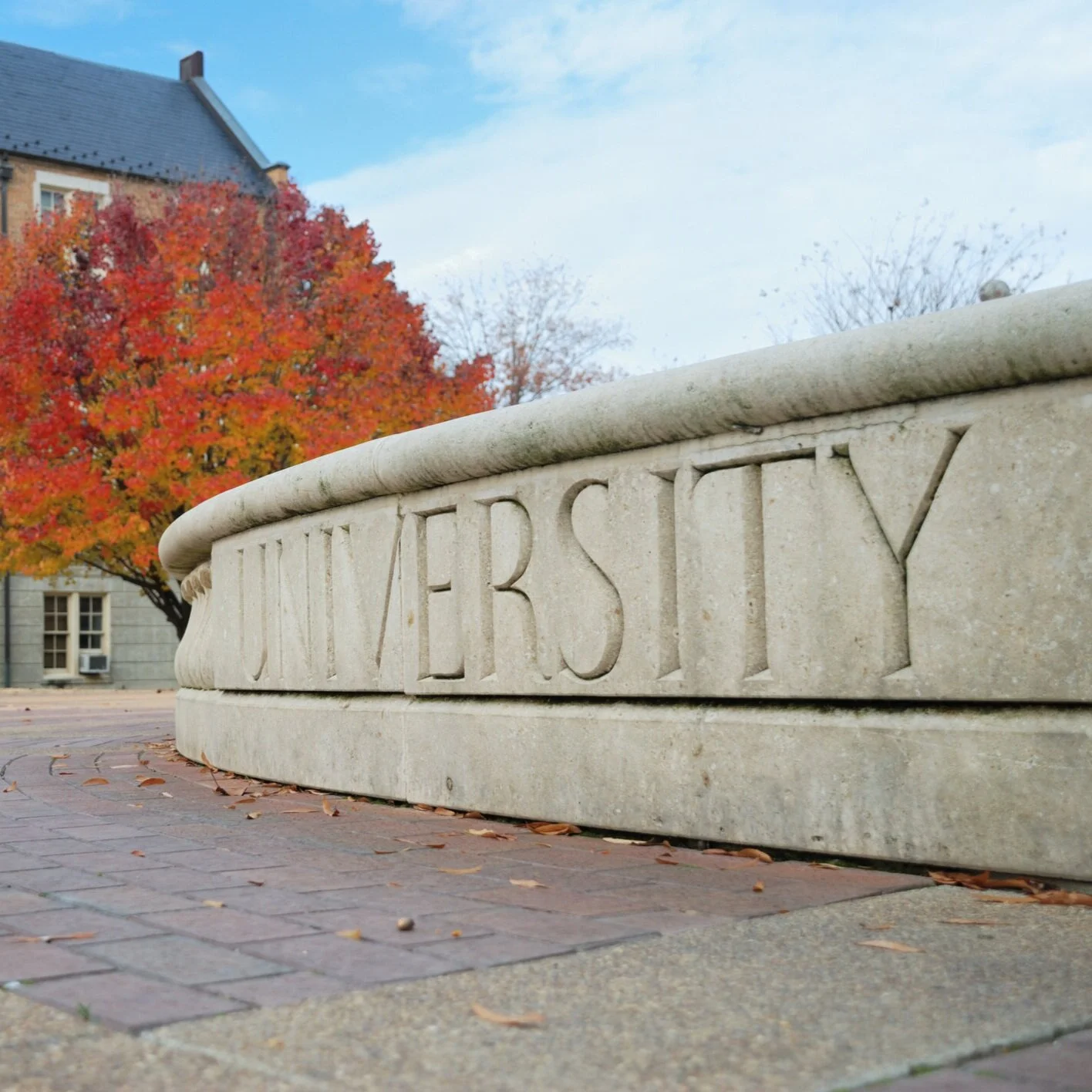
The College Search Process
The college exploration process begins by determining the criteria you are looking for within an academic and college community. In this workshop, we will explore various areas that will help you narrow down your search and begin to hone in on which colleges/universities will best fit your profile. We will also use various college search engines to learn more about the admissions criteria needed to gain entrance to each college of interest. Most importantly, once a college is added to your list, we will explore Naviance to learn more about the students in your particular high school that gained acceptance in the past.

A Step By Step Guide to the Common Application
When it comes to sitting down and starting the application, many students tend to avoid it. It is hard to take that first step. The Common app 101 workshop will walk students through the application step by step. Students will leave the workshop with the bulk of the application done and know what is left that they need to complete.
Please note that the essays will not be done during the workshop and that students will need to submit them independently.

Building & Writing Your Activity List
Admissions officers don’t read your Activities List because they want to know what clubs you joined. They are trying to understand how you’ve spent the last four years
What matters to you?
Where did you invest your time?
What kind of impact did you make?
The Activities & Honors sections are on the of clearest windows into who you are. When written strategically, they reinforce everything else in your application. When they’re rushed, they leave admissions officers with an incomplete picture of you.
This workshop will guide you in developing a compelling activities list by highlighting meaningful involvement, prioritizing experiences, and demonstrating their impact through clear and effective descriptions.

Parenting Do’s and Don’ts in the College Process
Especially during application time, there can be a lot of stress, uncertainty, and conflict in your home.
Should you call an admissions rep for your child to check on your child's application? Should you ask Tommy every day whether they worked on their application, talked to their teacher, or is keeping their grades up? Do you tell your friend that your child also applied to Cornell and now your kids are in competition? Do you contact financial aid to see if you can get any more money? These are all questions that might be keeping you awake at night.
Parents walk a fine line as they want to be a support, but they also want to keep their child on task, so they do not miss important deadlines. This is also a very emotional time for parents as they figure out how to let go of some control and deal with the knowledge that their child is getting ready to leave the nest. It helps to know that you are not alone and that there are some steps you can take to create a bit more structure and calm during this heightened time.
This 30 minute workshop will contain information on how to support your child throughout this process.
Managing Test Anxiety
There is no doubt that many students experience major anxiety when taking a test or assessment! This fact is also why so many colleges and universities have decided to become test optional in the admissions process. Students who experience particular stress in exam situations often cannot think clearly, blank out and do not perform according to ability level. In this 3-day workshop, we will cover before, during and after exam strategies to help. We will also review strategies for different types of exam including general exam tests, math tests, and reading/writing.